If a student’s brain is tuned into defending itself all the time, then how can the student focus on learning? That’s just one question facing educators as they try to create a safe, supportive educational environment for students impacted by trauma.
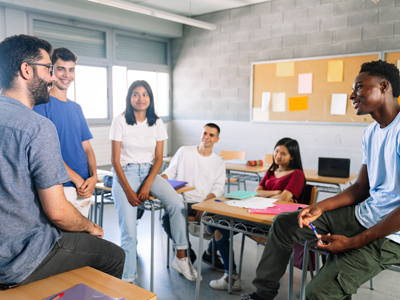

If a student’s brain is tuned into defending itself all the time, then how can the student focus on learning? That’s just one question facing educators as they try to create a safe, supportive educational environment for students impacted by trauma.
Presented by Joan Turkus, M.D., Medical Director, TraumaSci: Complex Trauma Disorders Program, Dominion Hospital; Charu Chandra, Restorative Practices Leadership Coach and Psychotherapist, Chicago Public Schools (IL); and Pamela Pearce, TraumaSci Program Clinical Lead and Licensed Professional Counselor, Dominion Hospital

Presented by Cassandra Hebert, Client Development Representative, Committee for Children

Presented by Dr. Lisa Henshaw, Assistant Professor at Yeshiva University, Wurzweiler School of Social Work, and Licensed Clinical Social Workez

Presented by Mike Ruyle, Ed.D., Author and Associate, Marzano Resources; and Shelly Swanson, Educator and Associate, Marzano Resources

Presented by Kathy Perez, Ed.D., Professor Emerita, Saint Mary’s College of California

Presented by Mike Ruyle, Ed.D., Author and Education Consultant, Marzano Resources

Presented by Alex Shevrin Venet, Professional Development Facilitator, Unconditional Learning
Moderated by Rhiannon M. Kim, Educational Consultant, Love at the Roots

Presented by Jen Alexander, M.A., NCC, SB-RPT, Professional Development Facilitator, Educator, and Consultant
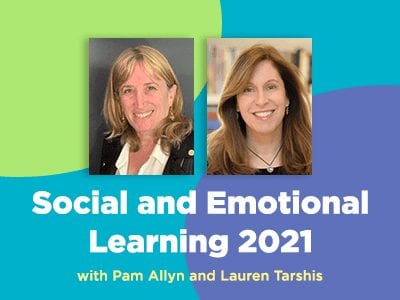
Presented by Lauren Tarshis, SVP and Editor-In-Chief/Publisher, Scholastic Classroom Magazines; Pam Allyn, Author, Speaker, Innovator, and Education Expert; and Audra Wallace, Editorial Director, Scholastic News