

Presented by Resha Conroy, Founder and Executive Director, Dyslexia Alliance for Black Children; Ileana Driggs, LMHC, Lower School Counselor, The Gateway School (NY); and Peggy Stern, CEO, SuperDville, Inc.
Moderated by Joyce Whitby, CEO and Co-Founder, Innovations4Education

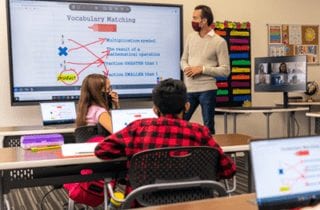
Last year, Chris Böttger’s son spent fifth grade learning at home because of his disability, intractable chronic migraine. That was until COVID forced the school, Oak Meadow (MA), to shut down and go remote. Virtual learning ended up being the boy’s path “into the classroom.”
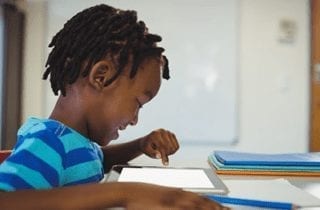
Accessible technologies help students with disabilities unlock their full potential by addressing a diversity of needs that include learning, visual, hearing, mobility, neurodiversity, and mental health. In a recent edWebinar, Lauren Pittman, Graduate Assistant at Vanderbilt University and former special education teacher; Beth Dudycha, Senior Manager of Content Development at Insight2Execution and former educator; and Mike Tholfsen, Principal Product Manager at Microsoft Education, brought to our attention that students with disabilities are not the only ones who benefit from accessibility learning tools.
This edWebinar discusses what inclusive classrooms, employing accessibility, look like from the standpoint of reading, writing, math and communication.
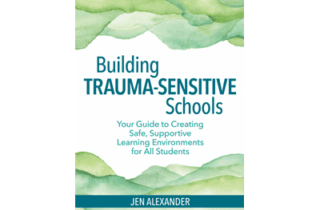
In this edWebinar, learn what trauma is, how it can affect your students, and how to help students get regulated and ready to learn.

In this edWebinar, learn about ideas that work for the inclusive classroom (and often work just as well for students without disabilities).

Too often, an “inclusive education” for students with complex support needs means helping them take part in a single class activity before they go off to a different classroom, or focusing on a single learner while other similar students remain on the outside. Cheryl M. Jorgensen, Ph.D., an inclusive education consultant and co-founder of the National Center on Inclusive Education, offered participants in the recent edWebinar, “Inclusion is More Than “Just Being In,” a new way to define the term. She explained that inclusion should not be a practice but should be a transformational educational philosophy based on social justice principles, where the first tenet is that all students are presumed competent.
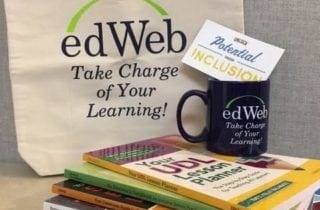
For Inclusive Schools Week, which took place from December 5th to 9th, Brookes Publishing, sponsor of the Teaching All Students: Practical Strategies for Inclusive Classrooms professional learning community (PLC) on edWeb.net, celebrated with a five-day giveaway. The giveaway began with a survey in which Brookes Publishing asked special ed educators for their opinions on webinar topics for 2017. Participants in the survey were entered into a drawing to receive a tote bag full of inclusive classroom resources. Brookes Publishing announced five lucky winners, one on each day of Inclusive Schools Week.

Join middle school administrator Shannon Holden as he helps novices use accommodations and modifications to create an inclusive classroom environment where all students experience success.