Join live or receive a link to the recording and earn a CE certificate

- This event has passed.
Cultivating Genius: An Equity Model for Culturally and Historically Responsive Literacy
Tuesday, October 15, 2019 @ 5:00 pm - 6:00 pm EDT
Presented by Gholnecsar Muhammad, Ph.D., Associate Professor, Middle and Secondary Education, Georgia State University College of Education & Human Development; Medha Tare, Senior Research Scientist, Learner Variability Project, Digital Promise; and Sarah A. Ballard, Literature Teacher, Murrah High School, Jackson, MS
Hosted by Barbara Pape, Communications Director, Learner Variability Project
Sponsored by Digital Promise
Get a CE Certificate for this edWebinar Learn more
In this edWebinar, Dr. Gholdy Muhammad offers a unique, culturally and historically responsive approach to literacy instruction developed from a blend of multiple pedagogical approaches. This approach is essential for all students, especially youth of color, who traditionally have been marginalized in learning standards, policies, and school practices. The equity framework will help educators teach toward the following literacy learning goals:
- Identity Development—Helping youth to make sense of who they are
- Literacy Skill Development— Developing proficiencies in reading and writing
- Intellectual Development—Gaining knowledge through literacy practices
- Criticality—Developing the ability to read texts (including print and social contexts) to understand power, equity, and anti-oppression
Viewers will be encouraged to be more inclusive of their teaching of these four collective goals while learning the importance of integrating racial and cultural responsiveness into their learning goals, lesson plans, and the texts they use to teach. Additionally, participants will see sample lessons of culturally and historically responsive literacy across grade levels.
Also explore Digital Promise’s Learner Variability Project Adolescent Literacy learner model. This model highlights how students’ literacy skills, cognition, social-emotional state, and personal background interact to affect their learning outcomes and research-based strategies to support their ability to learn from and compose increasingly complex texts.
This recorded edWebinar will be of benefit to teachers, librarians, and school and district leaders of kindergarten through higher education grade levels..
 About the Presenters
Dr. Gholnecsar “Gholdy” Muhammad began her career as a reading, language arts, and social studies middle school teacher. After teaching in the classroom, she served as a school district curriculum director and was responsible for K-12 literacy instruction, assessments, and professional development. Dr. Muhammad received her Ph.D. in literacy, language, and culture at the University of Illinois at Chicago. Her research interests are situated in historical foundations of literacy development and the writing practices among Black communities. Each year she holds a summer literacy institute with Black girls called, Black Girls WRITE! which reflects literacy practices found in nineteenth-century literary societies. She is currently an associate professor of language and literacy at Georgia State University. Additionally, she serves as the director of the Urban Literacy Collaborative and Clinic. She strives to shape the national conversation for educating youth who have been underserved. She works with teachers and young people across the United States and South Africa in best practices in literacy instruction. She just finished her book entitled, Cultivating Genius: An Equity Model for Culturally and Historically Responsive Literacy.
 Medha Tare has more than ten years of experience conducting applied research in the learning sciences. She enjoys translating research to non-academic audiences so it can be used by practitioners in the classroom and by the learners themselves. She is currently the senior research scientist for the Learner Variability Project, leading the synthesis of research on learners’ strengths and challenges and evaluating the impact of the project’s work on learners across the country. She holds a B.A. from Rutgers University and a Ph.D. in psychology from the University of Michigan.
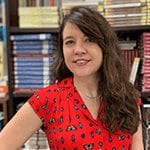 Sarah A. Ballard is a teacher at Murrah High School in Jackson, Mississippi, where she has taught English II and AP Literature and Composition for the past fourteen years. She started her teaching career in Belzoni, Mississippi, as a member of the Mississippi Teacher Corps. She was named Teacher of the Year at Humphrey’s County High School in 2004 and Murrah High School in 2013. She renewed her National Board Certification in 2018 and was chosen as Star Teacher in 2016. This year she received the Mississippi Excellence in Education award for High School Teacher of the Year. She is most proud of working with students to resurrect The Pleiades, Murrah’s prestigious literary magazine, and being awarded Literary Magazine Adviser of the Year in 2017. Sarah resides in the historic Belhaven neighborhood in Jackson with her husband and eight-year-old twins.
 About the Host
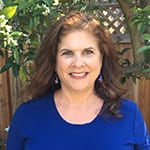
Barbara Pape is the communications director for the Learner Variability Project at Digital Promise Global (DPG). She has 20 years’ experience in strategic communications, writing, and policy analysis, primarily in education. Previously, she served as Executive Producer of the award-winning Teaching & Learning conference, sponsored by the National Board for Professional Teaching Standards, where she developed content and oversaw outreach and communications. As a writer, she has written for numerous publications, including Harvard University, the National Education Goals Panel (U.S. Department of Education) and Parents magazine. Barbara also served as editor and publisher of the first electronically delivered education newsletter, the Daily Report Card. She earned an EdM at Harvard University’s Graduate School of Education and launched her career as a middle school language arts teacher.
Join the Personalize Learning for Learner Variability community to network with educators, participate in online discussions, receive invitations to upcoming edWebinars, and view recordings of previous programs to earn CE certificates.
 Digital Promise was created with the mission to accelerate innovation in education to improve opportunities to learn.