Students spend a lot of time with screens, raising concerns among parents and teachers; however, technology also has its benefits. How can districts recognize and choose digital tools that actually help learning?


Students spend a lot of time with screens, raising concerns among parents and teachers; however, technology also has its benefits. How can districts recognize and choose digital tools that actually help learning?

One size fits none. Teachers know that’s true for their students, whether they are on, below, or above grade level. And for students who need extra assistance to reach proficiency, there can be even more variation. During the edLeader Panel “Just-in-Time Support vs. Intervention: Why the Distinction Matters in MTSS,” educators and leaders discussed how to build an MTSS system that meets each student where they are and gives staff the support they need.

When things get really busy in schools, being ahead of the chaos is crucial. That means preparing in advance to navigate critical tasks toward success. An action mindset is a necessity: adopting a forward-thinking rather than reactive approach to disruption and busyness.

Personalizing learning while maintaining curriculum fidelity is a longstanding challenge in K–12 education. Could the thoughtful use of AI tools hold the solution, helping teams better connect curriculum, assessment, and instruction in every classroom?

Career and Technical Education (CTE) programs can be life changing for students, expanding potential pathways for after graduation. Many leaders, though, don’t understand exactly what a successful CTE program looks like, or even why it matters.

Chronic absenteeism is an ongoing problem in schools that significantly hinders learning—after all, students can’t learn if they’re not present. So, what can leaders do to address this?
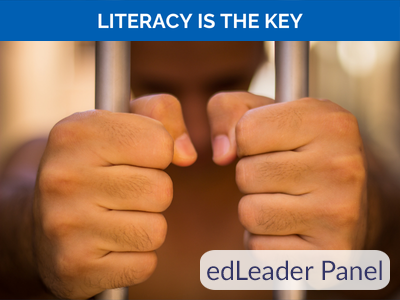
The school-to-prison pipeline runs right through reading classrooms, said Hilderbrand Pelzer III, author of Unlocking Potential, school leader for over 30 years, and award-winning educator who organized one of the largest correctional education programs in the U.S.

Throughout middle and high schools, students struggle to read at grade level. Districts must prioritize adolescent literacy for teachers to be able to support their students.
1,000 attempted cyber attacks on their school district per hour—that’s the number one district leader gave during the edLeader Panel “Cybersecurity Priorities, Policies, and Practices for K-12 Leaders.” But they also noted that with their district’s cybersecurity policies and procedures, those attacks don’t get very far. During the panel, three leading superintendents, along with CoSN’s Cybersecurity Project Director, discussed essential cybersecurity strategies and why it should be a priority for every district.
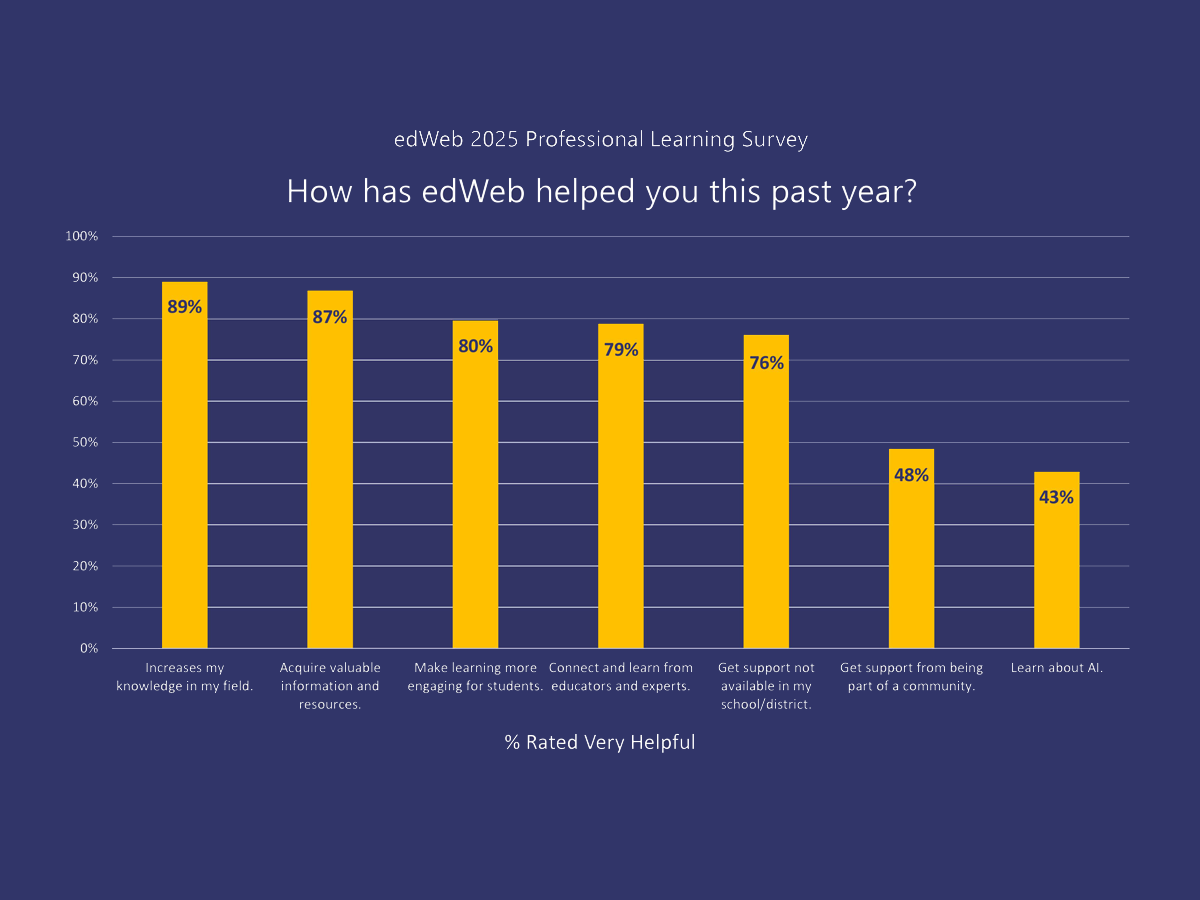
edWeb's 2026 Annual Survey continues to show the value of online professional learning with more choice, flexibility, and impact on professional practice and students' academic progress and social-emotional needs. For 10 years, edWeb has been conducting an annual...