What improves academic skills and heightens student confidence? High-impact tutoring, which can be a game-changer for learning outcomes. When implemented thoughtfully, such programs can have a long-term impact on student achievement.


What improves academic skills and heightens student confidence? High-impact tutoring, which can be a game-changer for learning outcomes. When implemented thoughtfully, such programs can have a long-term impact on student achievement.

With the rising number of students who don’t speak English fluently, teachers may struggle to adapt and get new students invested in the learning process. In the edLeader Panel “Supporting Newcomers and Multilingual Learners in Your District,” experts discussed language trends, the difference between language FOR learning and language OF learning, and the key steps for the success of programs aimed at new English language students.

“Uh oh” and “Oh no”—in 2022, that was the typical, collective reaction of administrators and educators to using generative AI in the classroom. From concerns about cheating to students falling behind on essential skills, the initial reaction was extreme apprehension. In 2024, though, schools have started creating policies and guidelines for using generative AI with K-12 students.

A superintendent’s or principal’s role in fostering early literacy extends beyond setting a budget for materials and hiring the right teachers. They play a critical role in setting priorities, providing proper coaching for teachers, and ensuring equitable access. During the edLeader Panel “Supporting Literacy Success as a K-5 Leader,” education leaders detailed key practices for superintendents and principals to ensure effective literacy programs in their schools.
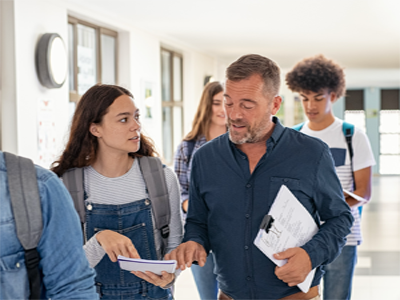
Educators know that getting students engaged is a real challenge. Engagement is down across America, with less than half of high school students feeling engaged. So what is the key to fixing this? The answer is student voice.

The COVID-19 pandemic significantly altered student growth, social development, emotional well-being, future preparedness, and overall behavior. In addition to a slow academic recovery, myriad students are exhibiting behaviors often associated with learning disabilities. The question is whether students’ experiences reflect temporary setbacks or learning needs requiring long-term specialized support.

Educators want assessments to be instructionally useful and provide data they can use to help students learn, but not all assessments do that. So what do instructionally useful assessments look like?

In a recent edWebinar hosted by edWeb, a panel of high school seniors from Livingston High School (NJ), each with different career aspirations, discussed the transformative role of artificial intelligence (AI) in education and their future. Ella, Ashley, Oishik, and Parker offered unique insights into how AI has influenced their academic lives and shaped their views on their prospective fields. The panel was moderated by Robert Rolling, Livingston’s PreK-12 Supervisor of Business, Technology, and Engineering and a leader in the district’s AI policy and curriculum development, who gave an overview of the Livingston Schools District’s approach to managing AI.

According to our nation’s students, the value of using technology for learning is clear—when used effectively, it helps them develop the skills they need for future success. Less than one-third of students say they have regular access to interactive technologies such as virtual labs, multimedia tools, augmented reality, coding resources, and AI tools that foster critical thinking, creativity, and problem solving. Students report that their best use of digital resources for learning happens on their own time, outside of school, most often through their smartphones.

As school technology gets more sophisticated, so do cybercriminals, but school leaders can’t sit back and wait for someone to hand them solutions. During the edLeader Panel “Cybersecurity in School District Settings: A District Leadership Approach,” three innovative superintendents discussed strategies to try and stay ahead of cyber issues even when the landscape is constantly evolving.