Julia Ottesen

Educating the AI Generation

Educating the AI Generation

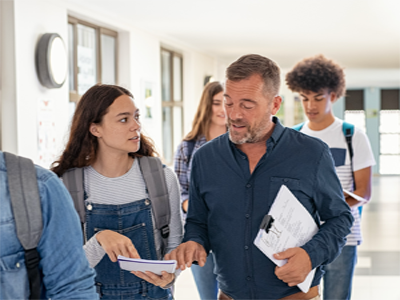
Generation Alpha: Digital natives, visual learners, short attention spans, struggles with face-to-face skills. These are just a few characteristics of the current generation of students that educators must consider as they develop their lessons. But now that AI has become ubiquitous in both home and work environments, administrators need to think about how their schools will integrate AI into their classrooms so that students are prepared for jobs of the future.

How Generational Trends Influence Teachers and Learners

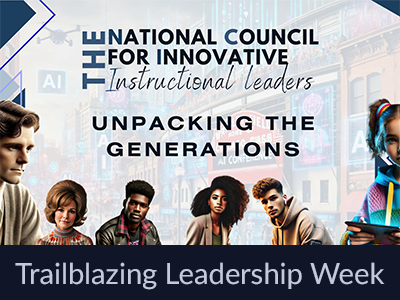
How Generational Trends Influence Teachers and Learners

“This new generation doesn’t have the same work ethic.” “My grandparents just don’t get the new technology.” It’s common to hear people talk about generations and how they differ from each other. And while administrators should avoid blanket stereotypes, research shows that there are generational trends and attitudes formed by significant events and changes in technology.

7 Steps to Successful High-Impact Tutoring Programs

7 Steps to Successful High-Impact Tutoring Programs

What improves academic skills and heightens student confidence? High-impact tutoring, which can be a game-changer for learning outcomes. When implemented thoughtfully, such programs can have a long-term impact on student achievement.

Supporting Newcomers and Multilingual Learners: Tips From the Experts

Supporting Newcomers and Multilingual Learners: Tips From the Experts

With the rising number of students who don’t speak English fluently, teachers may struggle to adapt and get new students invested in the learning process. In the edLeader Panel “Supporting Newcomers and Multilingual Learners in Your District,” experts discussed language trends, the difference between language FOR learning and language OF learning, and the key steps for the success of programs aimed at new English language students.

7 Essential Leadership Guidelines for Using Generative AI in Schools

7 Essential Leadership Guidelines for Using Generative AI in Schools

“Uh oh” and “Oh no”—in 2022, that was the typical, collective reaction of administrators and educators to using generative AI in the classroom. From concerns about cheating to students falling behind on essential skills, the initial reaction was extreme apprehension. In 2024, though, schools have started creating policies and guidelines for using generative AI with K-12 students.

Leadership Strategies for Building an Effective K-5 Literacy Program

Leadership Strategies for Building an Effective K-5 Literacy Program

A superintendent’s or principal’s role in fostering early literacy extends beyond setting a budget for materials and hiring the right teachers. They play a critical role in setting priorities, providing proper coaching for teachers, and ensuring equitable access. During the edLeader Panel “Supporting Literacy Success as a K-5 Leader,” education leaders detailed key practices for superintendents and principals to ensure effective literacy programs in their schools.

Giving Every Student What They Need: Post-Pandemic Strategies and Solutions

Giving Every Student What They Need: Post-Pandemic Strategies and Solutions

The COVID-19 pandemic significantly altered student growth, social development, emotional well-being, future preparedness, and overall behavior. In addition to a slow academic recovery, myriad students are exhibiting behaviors often associated with learning disabilities. The question is whether students’ experiences reflect temporary setbacks or learning needs requiring long-term specialized support.