


In this edWebinar, Nina Finkler, M.Ed., LDT/C, BCBA, President of Nina Finkler Autism Services, provides an understanding of the learning, behavioral, social, and language needs of students with ASD.
In this edWebinar, Lynn Cannon and Lauren Kenworthy introduce tools to help identify when a child is having trouble with Executive Function

Too often, an “inclusive education” for students with complex support needs means helping them take part in a single class activity before they go off to a different classroom, or focusing on a single learner while other similar students remain on the outside. Cheryl M. Jorgensen, Ph.D., an inclusive education consultant and co-founder of the National Center on Inclusive Education, offered participants in the recent edWebinar, “Inclusion is More Than “Just Being In,” a new way to define the term. She explained that inclusion should not be a practice but should be a transformational educational philosophy based on social justice principles, where the first tenet is that all students are presumed competent.
In this edWebinar, Cheryl M. Jorgensen, Ph.D., Inclusive Education Consultant, describes the core, essential elements of inclusive education.
In this edWebinar, Nicole Eredics, author of Inclusion in Action: Practical Strategies to Modify Your Curriculum, provides step-by-step instruction on when and how to modify curriculum.

Which inclusive practices do early childhood programs need to master? This engaging edWebinar reveals the keys to effective inclusion for young children!
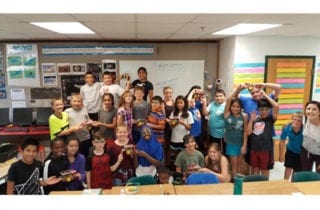
In this edWebinar, learn how to integrate robotics into core curriculum to engage students of all abilities.
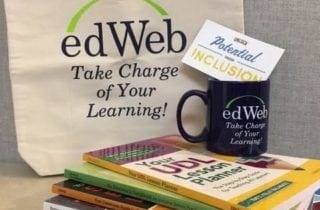
For Inclusive Schools Week, which took place from December 5th to 9th, Brookes Publishing, sponsor of the Teaching All Students: Practical Strategies for Inclusive Classrooms professional learning community (PLC) on edWeb.net, celebrated with a five-day giveaway. The giveaway began with a survey in which Brookes Publishing asked special ed educators for their opinions on webinar topics for 2017. Participants in the survey were entered into a drawing to receive a tote bag full of inclusive classroom resources. Brookes Publishing announced five lucky winners, one on each day of Inclusive Schools Week.

In this webinar, Dr. Eva Horn will present the Children’s School Success Plus (CSS+) Curriculum Framework for early childhood educators as a guide to plan and deliver instruction for all young children they serve.
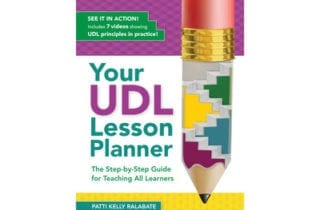
In this webinar, Dr. Ralabate will walk you through the process of applying Universal Design for Learning to effective lesson planning.